0M
tonnes of plastic produced each year
The waste crisis
Kenya alone generates thousands of tonnes of plastic waste every day, and only a fraction is recovered. The rest fills landfills, rivers and roadsides.

We turn the bottles Nairobi throws away into high-performance acoustic panels — silencing rooms and sequestering waste in the same move.
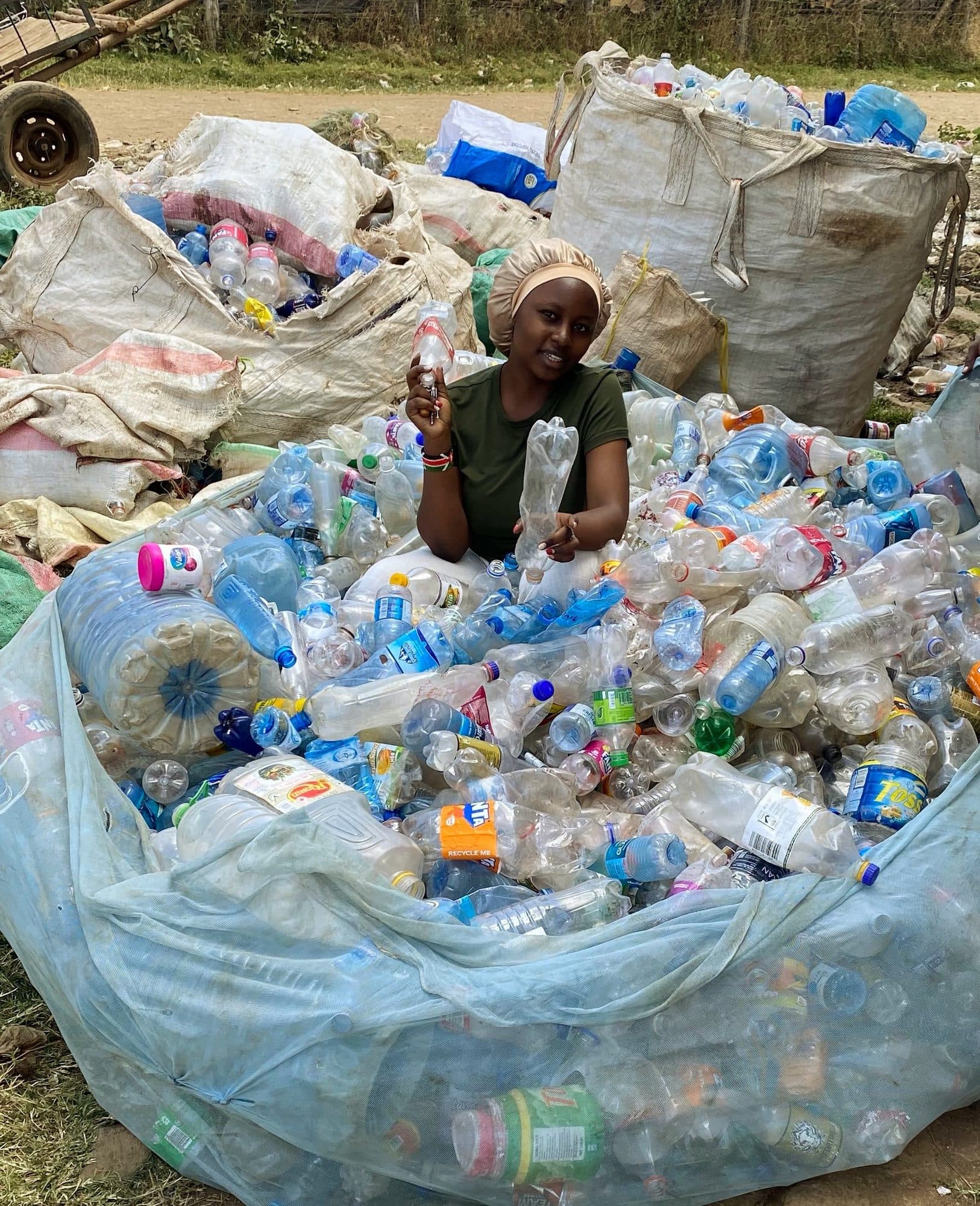

Plastic waste and noise pollution are usually treated as separate problems by separate industries. We think that's a missed opportunity.
tonnes of plastic produced each year
Kenya alone generates thousands of tonnes of plastic waste every day, and only a fraction is recovered. The rest fills landfills, rivers and roadsides.
of urban workers report noise stress
Hard modern surfaces bounce sound rather than absorb it. Open-plan offices, classrooms and clinics pay for it in concentration, learning and rest.
PET plastic happens to make an excellent acoustic fibre — dense, porous and dimensionally stable. Our process turns waste bottles into panels that trap sound and lock the plastic away for decades.
How the process works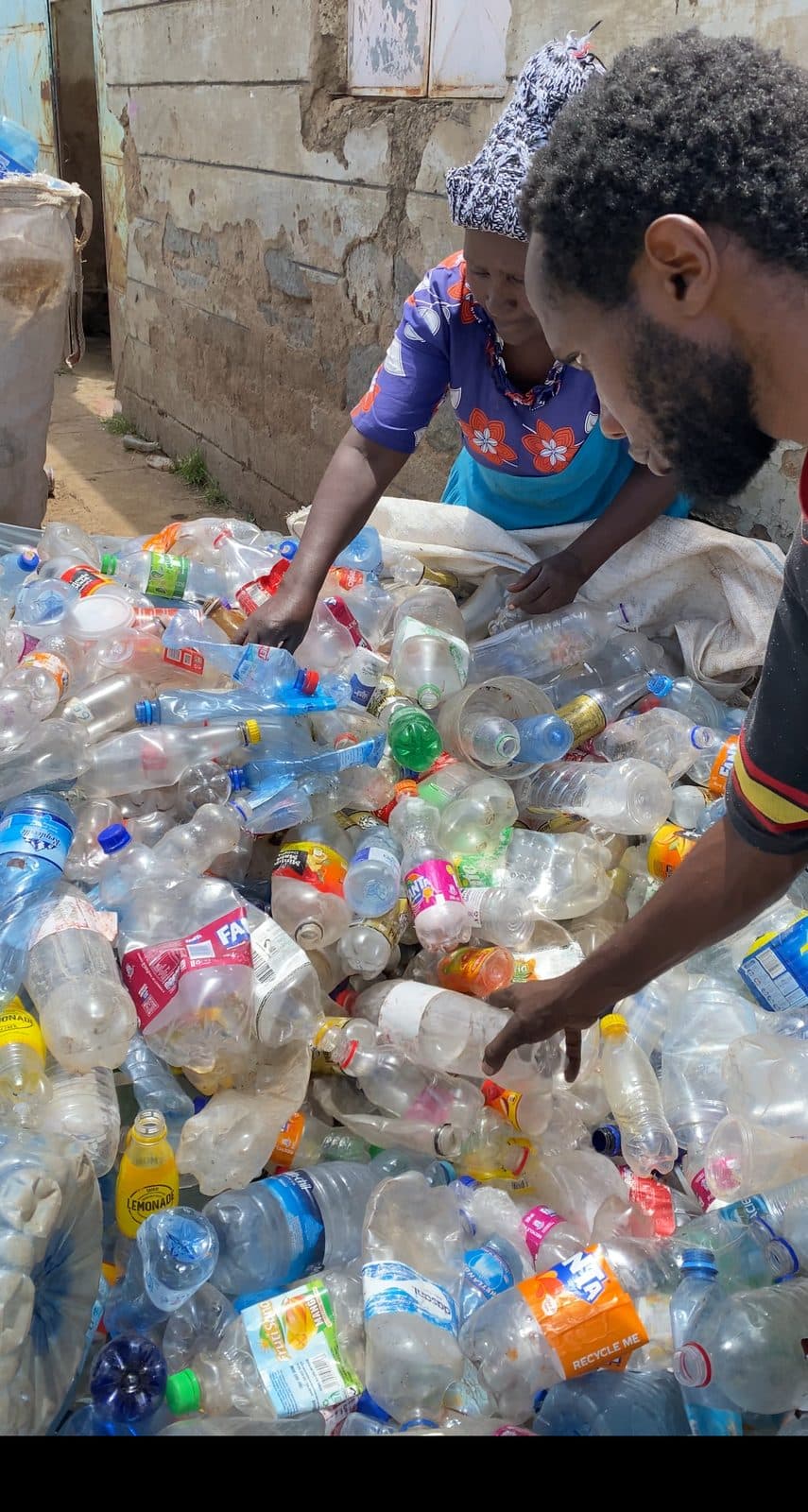
We buy post-consumer PET from waste-picker cooperatives across Nairobi, paying above market rate.
Bottles are washed, shredded and extruded into fine, resilient acoustic fibre.
Fibre is thermo-pressed into rigid modular panels — no water, no adhesive binders.
Our team fits the panels on site, and takes them back at end of life to run the loop again.
Every batch is lab-tested for noise reduction coefficient across the full speech band.

Small today, deliberately measurable, and audited against every batch we ship.
We stopped thinking of plastic as rubbish and started thinking of it as a raw material with nowhere to go. Everything else followed from that.

Tell us about the room. We'll come back with an acoustic assessment, a panel layout and a plastic-diversion figure.


